
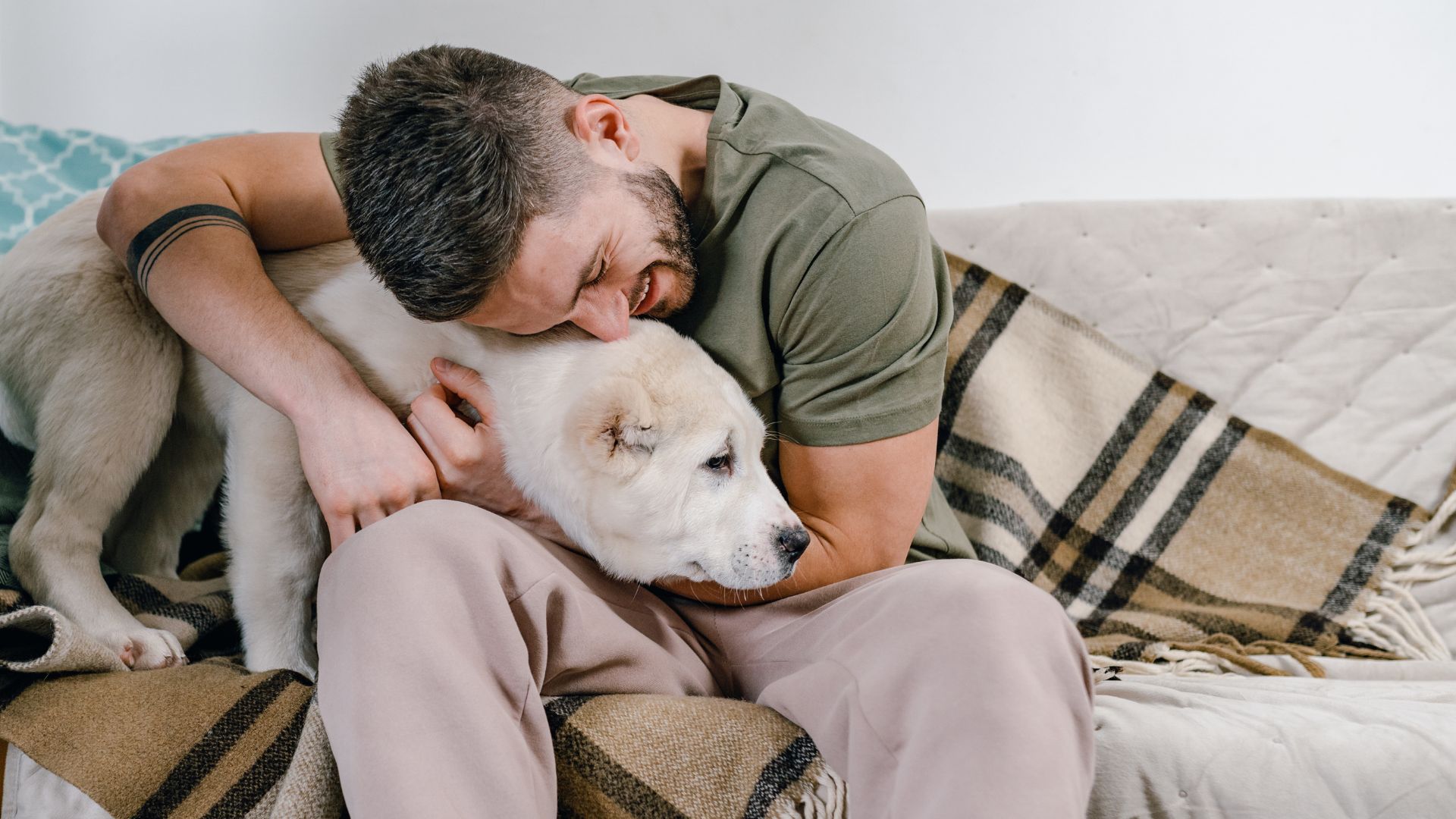
Why Pets Can Make Recovery Easier: The Case for Pet-Friendly Treatment
For many people, a dog or cat is the one steady relationship in a chaotic stretch of life. When treatment means leaving that animal behind, some people hesitate, delay or decide not to go at all. A small number of programs have responded by allowing pets, and the idea deserves a fair look, with its benefits and limits both on the table.
When a pet stands between a person and treatment
People who live alone or who are isolated often have only one source of daily comfort. Giving up that companionship for weeks, even temporarily, can feel like a punishment, and worry about who will feed, walk, and care for an animal can crowd out thoughts about recovery. Some people refuse care entirely rather than hand a pet to someone who may not manage it well.
A pet friendly rehab program removes that obstacle for some clients. Directory listings for Bright Paths Recovery, a residential program in Northridge, Los Angeles, state that depending on individual circumstances, clients may be able to bring their dogs with them to treatment. Policies like this vary and should be confirmed directly with any program. People who have been through the experience often say that the fear of abandoning a pet was as strong as the fear of treatment itself, and that knowing the animal was safe made the first step possible.
How dogs may support addiction recovery
A scoping review of the human-canine bond in recovery from substance use disorder found that dogs are the most common animal used in interventions to support people with substance use disorders, and that no earlier review had examined the evidence on their role in recovery. The authors searched eleven databases and identified 32 sources that met their criteria, covering companion dogs, therapy dogs and service dogs.
Through its themes, the review concluded that the bond between a person and a dog may help divert substance use-related thoughts and reduce cravings, strengthen engagement in treatment and recovery, and help decrease and prevent substance use. The wording is cautious by design, since a scoping review maps what exists and does not prove that dogs cause better outcomes.
In plain terms, the evidence is promising and still early. Small studies of animal-assisted therapy in residential programs have reported benefits such as better communication and self-care, but they involve limited numbers of people and different kinds of animal contact.
How a pet may help day to day
The most practical benefit is routine. A dog needs to be fed, walked, and cared for at set times, which gives the day a shape and gives a person a reason to get up. Walking also adds gentle exercise and time outdoors, both of which support mood and sleep.
Animals can lower the temperature in a room. Petting a dog or sitting with a cat tends to calm many people, and a pet is a nonjudgmental presence for someone who feels ashamed. Pets can also make conversation easier among residents, who may find it simpler to talk about an animal than about their feelings, and they offer a sense of responsibility and purpose when a person’s confidence is low.
For people who have been through loss, an animal can offer comfort that words cannot. Staff in some programs report that clients stay engaged longer when their animal is nearby, though such reports are not the same as controlled research.
Limits and risks to think about
A pet is not a treatment and cannot replace therapy, medical care, or the work of recovery, and a program that leans on animals without strong clinical services is not a good choice. Some residents have allergies, phobias, or trauma related to animals, and a shared home has to protect them as well. A pet can also become a source of stress if it is anxious, ill or hard to manage in unfamiliar surroundings.
There are practical limits too. Time spent caring for an animal competes with time in therapy, and in the early days of detox a person may not be well enough to look after a pet at all. Programs that accept pets usually set rules about the kind and size of animal, vaccinations, behavior, and who is responsible during groups and sessions. Animals also need exercise, veterinary care, and attention, so a person must be well enough to meet those needs, and the program must have a plan for situations in which the person cannot.
Questions to ask a pet-friendly program
Ask which animals are allowed, whether there is a limit on size or number, and what paperwork is required, such as vaccination records and a veterinarian’s contact details. Ask when a pet may arrive, since some programs wait until detox is complete. Find out who cares for the animal during therapy, meals, and any time away from the property, and whether there are extra fees or a deposit that is returned when the stay ends.
Ask how the program protects residents with allergies or fears, what happens if a pet is aggressive or ill, and how the animal fits into the clinical plan. Clarify the difference between a pet, an emotional support animal, and a service animal, because each is treated differently under the rules of a given facility. Bring a recent photo, the animal’s favorite food and any medications, and tell the program about habits such as barking, fear of strangers or trouble with other animals.
If bringing a pet is not possible
Many people can still get the benefits of treatment without bringing an animal. A trusted friend or relative can care for the pet, a boarding facility or pet sitter can step in, and some programs help arrange video calls or visits. Make a written plan, including feeding, medications, and veterinary care, so that you are not worried while you are away. Share the plan with whoever will help, and ask them to send a photo or short update at agreed times, since a little reassurance can ease worry without pulling attention from treatment. Plan the reunion too, because a pet can be a comfort during the transition home.
If you are weighing treatment and worried about a pet, say so when you call. Admissions staff hear this often and can suggest solutions. For help finding care, the SAMHSA National Helpline at 1-800-662-4357 is free and open at all hours, and in a crisis you can call or text 988.
